

Call Us 24/7
Bobtail Insurance Solutions
Tailored liability protection for leased owner-operators operating a commercial semi-truck or tractor cab without a trailer attached.

Non-Laden Tractor
Protection
Essential Liability
Shield
Leased Owner-Operator
Fit
Nationwide Coverage
Options
24/7 Expert
Claims Support
Coverage Snapshot
| Who Needs It: | Leased owner-operators operating a tractor cab without an attached trailer |
| Protects Against: | Third-party bodily injury and property damage when driving a bobtail cab |
| Typical Limit: | $1,000,000 (standard motor carrier lease requirement) |
| Key Difference: | Active based on truck profile (no trailer), unlike NTL which is based on off-duty use |
What is Bobtail Insurance?
In the commercial trucking industry, Bobtail Insurance is a specialized liability coverage designed to protect leased owner-operators from severe gaps in insurance. When you are under active carrier dispatch and pulling a load, the carrier's primary auto liability policy covers you. However, when you detach your trailer and drive the tractor alone (bobtailing), a coverage gap occurs. Bobtail Insurance covers third-party bodily injury and property damage during these periods.
Most commercial carriers require their leased owner-operators to carry a Bobtail policy with a $1,000,000 limit as a condition of their lease agreement, ensuring the carrier's primary insurance is not exposed during off-dispatch operations.
Bobtail Insurance vs. Non-Trucking Liability (NTL)
Many truckers confuse Bobtail coverage with Non-Trucking Liability. Understanding the distinct differences is critical to avoid coverage gaps:
- Bobtail Insurance: Covers the tractor only when no trailer is attached, regardless of whether you are driving on business dispatch, traveling between terminals, or driving home. It is active based on the physical configuration of the vehicle (no trailer).
- Non-Trucking Liability (NTL): Covers the tractor only during personal, non-business use, regardless of whether a trailer is attached. For personal use coverage details, see our dedicated Non-Trucking Liability Insurance page.
Real-World Claim Scenario
Scenario: A leased owner-operator completes a delivery, drops off the trailer at the receiver's dock, and is instructed by dispatch to park the tractor at a local terminal. While driving the empty tractor ("bobtailing") to the terminal, the driver collides with another vehicle at a stoplight, causing third-party property damage. Because the driver was bobtailing, the primary carrier's policy denies coverage. The driver's Bobtail Liability policy covers the $15,000 in vehicle damages and passenger medical bills, protecting the driver from direct lawsuits.
Who Needs Bobtail Insurance?
This coverage is specifically designed for independent drivers under lease agreement:
- Leased Owner-Operators: Drivers who lease their tractor to a primary motor carrier and operate under that carrier's MC authority, needing coverage when bobtailing between dispatches.
- Independent Contractors: Who frequently detach trailers and transit their truck cabs between terminal yards or during off-dispatch operations.
Common Mistakes & Expert Advice
Mistake 1: Hauling an empty trailer under Bobtail coverage. A common misconception is that bobtailing covers hauling an empty trailer. Hauling an empty trailer is legally defined as "deadheading," not bobtailing. If an accident occurs while pulling an empty trailer, a bobtail policy will deny the claim. You must be under the carrier's primary liability policy or carry deadhead protection.
Mistake 2: Buying NTL when your carrier lease agreement specifies Bobtail. Always review the insurance clause in your carrier lease contract. If they require Bobtail and you purchase NTL, you may have significant gaps if you are involved in a collision while bobtailing for a business purpose.
Expert Advice: Have your primary carrier's safety director review your insurance certificate. This prevents lease clearance delays and ensures NTL or Bobtail complies with the lease requirements.
Why Bobtail Insurance Matters & Exclusions
Without active **Bobtail Insurance**, independent contractors bear full financial liability for highway accidents occurring while operating their truck cab without a trailer. However, Bobtail Insurance has exclusions:
- Pulling Trailers: Any trailer attachment (empty or loaded) immediately suspends bobtail liability. You require Primary Auto Liability Insurance during those times.
- Cargo Protection: Spoilage, damage, or theft of shipped freight is excluded. You need a separate Motor Truck Cargo Insurance policy.
- Tractor Damage: Repairs to your own truck cab require Physical Damage Insurance.
Related Leased-Operator Coverages & Industries Served
We specialize in owner-operator risk management, supporting truck drivers across dry van, flatbed drayage, refrigerated freight, and specialized transport. Through **TheAmericanInsure** (American Insurance Agency LLC), leased-on drivers can access:
- Comparison details for Non-Trucking Liability (NTL).
- Full coverage for independent motor carriers operating under their own authority via General Liability.
- New business support under our New Authority Insurance Programs.
- Filings and safety audit support via our DOT Compliance Assist and Highway Truck Permits resources.
- Learn more on our Trucking Insurance Blog or search our FAQ Knowledge base.
Why Choose TheAmericanInsure (American Insurance Agency LLC)?
Founded and owned by Inderjit Singh (also known professionally as Inderjit Munder), our agency acts as a dedicated partner. Our certified **commercial truck insurance specialists** help you design custom stated-value coverage matching your lender requirements and haul contracts. Visit our About Us Page to learn more, or go to our Contact Page to get a quote.
Frequently Asked Questions
Bobtail & Non-Trucking Liability FAQ
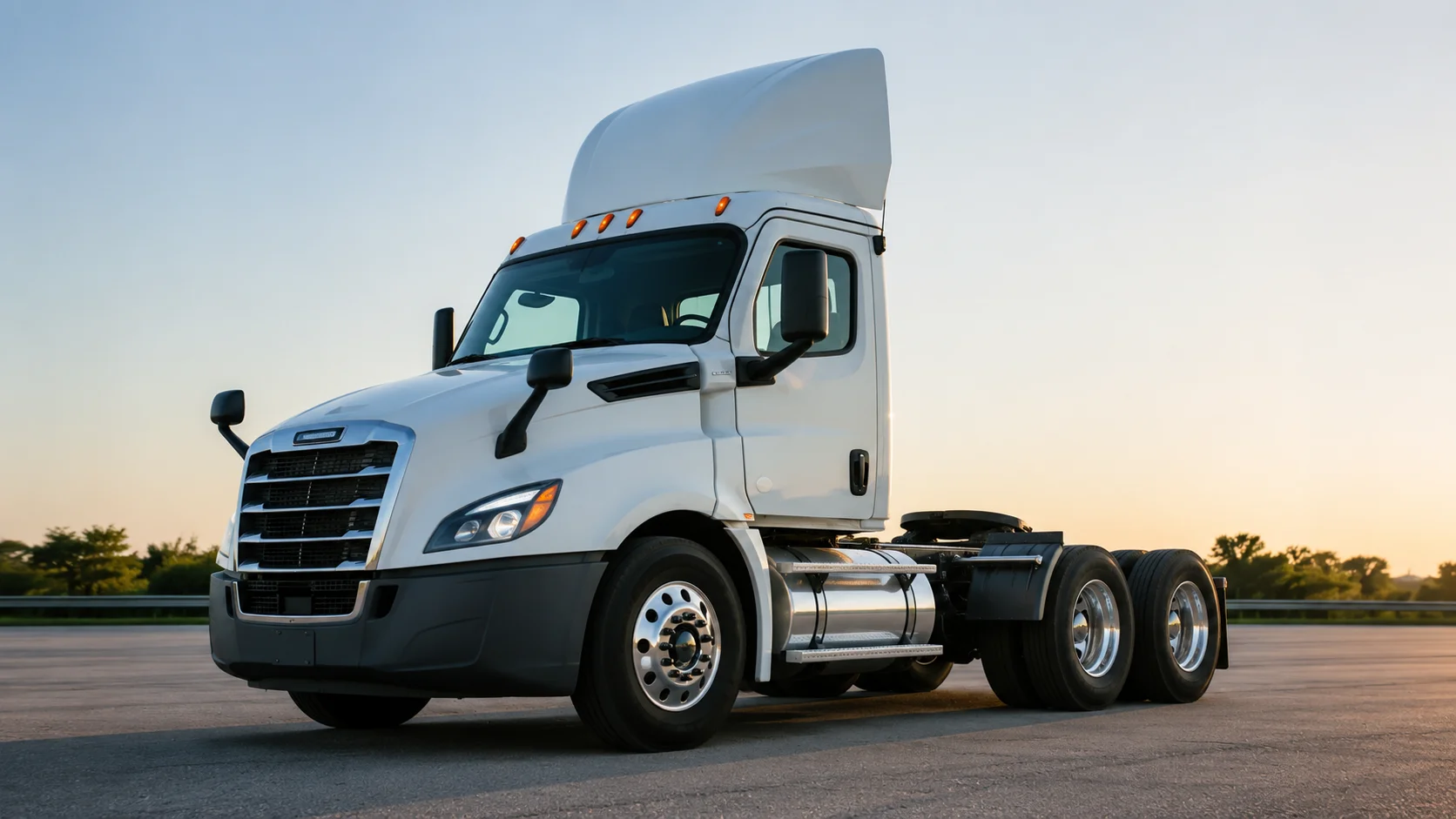
"Bobtailing" refers to driving a commercial semi-truck or tractor cab alone, without a trailer attached. Because the vehicle has a short profile without the trailer, it resembles a cat with a "bobbed" tail, hence the name.
Bobtail Insurance covers the tractor when driving without a trailer, regardless of the business purpose. Non-Trucking Liability (NTL) covers the tractor during personal, non-business activities, even if a trailer is attached. NTL is inactive during any commercial use, whereas Bobtail coverage can be active during commercial transit as long as no trailer is present.
No, Bobtail Insurance is strictly a liability policy that covers third-party bodily injury and property damage. It does not cover repair costs for your own semi-truck. To protect your tractor from collision, fire, theft, or windshield damage, you must purchase Physical Damage Insurance.
No. Pulling an empty trailer is called "deadheading," not bobtailing. Since a trailer is attached to the truck cab, bobtail coverage is inactive. If you crash while deadheading, you must rely on the carrier's primary liability policy or deadhead liability coverage.
Real Protection. Real People. Real Results.
Get specialized transportation insurance solutions for owner-operators, motor carriers, and fleets across the United States. Built for truckers, backed by certification.